
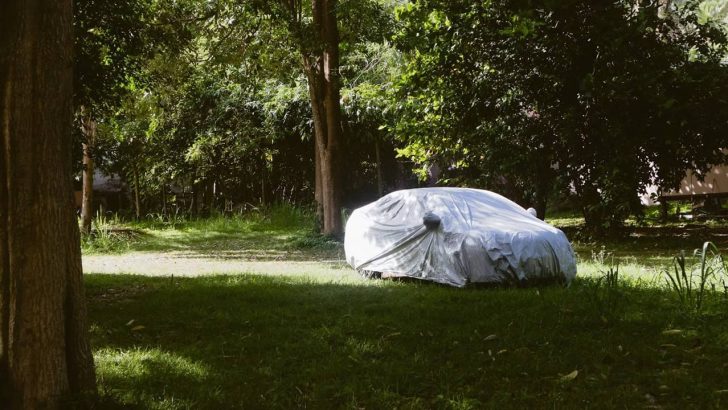
Leaving a vehicle unattended for hours in the backcountry is a reality most adventure drivers don’t think twice about, until they return to a sun-baked, dust-coated car parked at a remote trailhead with no shade in sight. For anyone regularly exploring scenic routes, mountain passes, or off-grid campsites, a car cover is one of the more practical tools to bring along.
An outdoor car cover creates a physical barrier between the vehicle and the environment. Whether the threat is intense UV exposure causing sun damage to paint and upholstery, dust settling into every crevice on a dry dirt road, or moisture and debris from an unexpected weather shift, a cover reduces the impact of each. Remote destinations rarely offer garages or carports, which makes that layer of weather protection significantly more valuable.
Why a Car Cover Matters on Remote Trips
Beyond the immediate inconvenience of returning to a filthy or heat-damaged vehicle, there are longer-term consequences worth considering. A covered vehicle also discourages opportunistic break-ins, adding a basic theft deterrent effect. Over time, consistent protection from outdoor elements contributes to better paint condition and interior quality, both of which support long-term resale value when the time comes to sell. For drivers who spend meaningful time at trailheads, campsites, overlooks, and remote pulloffs, an outdoor car cover addresses sun damage, dust protection, and moisture exposure in one straightforward step.
What Scenic Routes Expose Your Vehicle To
Remote and scenic destinations create a different risk profile than ordinary driveway parking. The combination of open terrain, organic debris, and unpredictable weather means a parked vehicle faces a wider range of hazards, often simultaneously. The following conditions are among the most common.
Sun, Heat, and Long Open-Road Parking
Scenic drives almost always involve extended stops at open viewpoints, trailheads, and roadside pullouts where shade is either limited or entirely absent. Unlike urban parking, these locations offer no overhead protection, which means vehicles can sit in direct sunlight for hours at a time.
That kind of sustained exposure accelerates paint fading at a rate that shaded parking rarely produces. UV protection becomes especially relevant here, since peer-reviewed research confirms that prolonged UV exposure degrades surface materials over time. Sun damage compounds gradually, making repeated scenic stops more costly to a vehicle’s exterior than they might appear after any single trip.
Dust, Gravel, and Unpaved Road Debris
Many scenic destinations are accessed via unpaved roads, and the dust those roads generate doesn’t simply settle on the way in. Fine particulate matter continues to drift and resettle on a parked vehicle throughout the day, working into panel gaps, trim edges, and paint surfaces.
Dust protection matters more on these roads because the grit itself is abrasive. When wind moves suspended dust across an unprotected surface, or when a passing vehicle kicks up gravel, the scratch prevention problem becomes immediate. Generic solutions designed for standard driveway use rarely account for this kind of continuous, airborne exposure in remote environments.
Sap, Pollen, Insects, and Bird Droppings
Forested, coastal, and mountain destinations bring a specific set of organic hazards that urban environments largely don’t. Tree sap drips from overhanging branches and bonds to paint surfaces quickly, especially in warm conditions.
Bird droppings present a similar concern, as their acidity begins affecting the clear coat within a relatively short window. Pollen and insects add to the accumulation, particularly during warmer months when both are most active. Together, these elements represent a localized risk profile that weather protection alone doesn’t fully address.
When a Cover Helps Most During a Trip
Understanding what scenic routes expose your vehicle to is only part of the picture. Knowing when to actually use a cover makes the difference between a practical habit and an inconvenient one.
Trailheads, Campsites, and Scenic Overlooks
Not every stop on a scenic route warrants pulling out a cover. Short breaks at roadside pullouts where the car will be moving again within minutes are generally not worth the effort. The calculation shifts, however, when the vehicle is about to sit unattended in an exposed area for several hours.
Trailheads are the clearest example. A car parked at the start of a four-hour hike faces cumulative UV exposure, potential debris from wind or nearby vegetation, and whatever weather develops while the driver is out of range. Scenic overlooks with longer stays present the same conditions.
Campsites carry similar exposure risks, with the added variable of overnight dew and morning moisture. An outdoor car cover addresses this directly, keeping surfaces dry and reducing the chance of contaminants bonding to paint during cooler, wetter hours.
Multi-Day Stops and Overnight Exposure
The value of a waterproof car cover increases considerably once the parking window extends past a single day. With longer stops, the chances of encountering rain, shifting temperatures, and heavy dew accumulation all rise.
Moisture left sitting on unprotected surfaces creates conditions favorable to rust prevention concerns, particularly around seams, trim edges, and any area where small chips or scratches already exist. Even where rust isn’t an immediate issue, moisture trapping under dust and organic debris accelerates surface degradation.
Hail protection becomes relevant on multi-day trips as well, since weather forecasts are less reliable in mountain and remote regions. Fit also matters more than many drivers expect; if you use a Corvette car cover, for instance, a model cut to that vehicle’s specific dimensions will stay far more secure in wind than a loose universal alternative. Selective use makes the most sense here, covering the car during extended stops or overnight rather than at every brief pause, which keeps the process practical without sacrificing the protection that actually matters.
How to Choose a Cover for Changing Conditions
Scenic-road drivers often face mixed conditions on a single trip, moving from dry, dusty terrain to rain and back again within a day. That variability means feature tradeoffs matter more than absolute claims about any one material or design.
Fit, Fabric, and Breathability
Not all car covers perform equally when conditions shift mid-trip, and the difference often comes down to fit and fabric rather than price alone.
A custom-fit car cover stays anchored more reliably in wind because it conforms closely to the vehicle’s shape, leaving fewer loose sections to catch gusts or shift during extended stops. Universal covers can work as a general solution, but in exposed environments with unpredictable wind, a loose fit reduces stability and allows debris to work underneath the fabric.
Breathability is the other key variable, and it’s often underestimated. A fully waterproof car cover that doesn’t allow airflow can create moisture trapping between the fabric and the paint surface, particularly when temperature swings cause condensation underneath. That trapped moisture contributes to the same surface degradation that weather protection is meant to prevent. The better approach is a breathable material that repels water from outside while allowing vapor to escape from beneath, keeping surfaces dry in rain without creating a sealed environment that holds humidity against the paint.
Features That Matter on the Road
Travel use places different demands on a cover than standard driveway storage does. Protection still matters, but so does the ability to pack, deploy, and store the cover efficiently during a trip with limited time and space.
An outdoor car cover intended for travel should pack down compactly, and some models include a storage bag designed to compress easily into a trunk or gear compartment. Tie-down straps or integrated grommets help secure the cover in windy conditions at open trailheads or elevated campsites, since without them, even a well-fitted cover can shift over a long stop. Fast deployment matters too, as a cover that requires significant effort to put on discourages consistent use, which defeats the purpose on longer trips. Features that support rust prevention, like seam-sealed edges and reinforced panel construction, add durability without meaningfully increasing weight.
What Car Covers Do Well and Where They Fall Short
Car covers reduce exposure to UV radiation, dust, moisture, and organic debris, but they don’t make a vehicle immune to damage. Scratch prevention, for instance, depends entirely on proper use. A cover applied to a dusty or dirty surface can trap abrasive particles against the paint, which causes the same micro-scratches it’s supposed to prevent. Dust protection works best when the surface is reasonably clean before the cover goes on, particularly after driving unpaved roads where fine grit accumulates quickly.
Moisture trapping is another limitation worth acknowledging. A non-breathable cover applied in cooler conditions can seal humidity against the paint, encouraging condensation rather than preventing it. This is the tradeoff that breathable, water-resistant fabrics are specifically designed to manage, as discussed in the selection guidance above.
Convenience is also an honest consideration. Covers with good coverage tend to be bulkier, and managing fabric in the wind requires some patience. For frequent short stops where the car moves again within minutes, the setup time rarely justifies the effort. Used at the right moments, a car cover functions well as a theft deterrent and a practical protective layer. Used carelessly, it introduces new risks.
The Case for Keeping a Cover in Your Trunk
For scenic and remote travel, the value of a car cover isn’t in using it constantly. It’s in having it available when the situation calls for it: a long trailhead stop, an overnight campsite, or an unexpected weather shift in an area without reliable forecasts.
Drivers who get the most out of their cover tend to match it to their actual route, climate, and parking habits. An outdoor car cover chosen for breathability and packability serves those trips better than one designed purely for driveway storage. Over time, consistent UV protection at exposed stops, combined with surface-level dust and moisture control, contributes to better paint condition and supports resale value without requiring much effort beyond a few minutes of setup.