

So you’ve booked some time off, mapped your route, and packed up your fins. The last thing you want to think about is your phone until someone drains your account while you’re somewhere without a cell signal.
Peer-to-peer payment apps have made splitting gas money and paying for a campsite absurdly easy, but that same convenience is why scammers love them. Before your next road trip, it’s worth knowing exactly where the traps are.
Is Cash App Safe to Receive Money From Strangers?
So, is Cash App safe to receive money from strangers? Short answer: not really. Cash App moves money instantly and, critically, in one direction. Once that transfer goes through, there’s no dispute process worth counting on. It is something the Consumer Financial Protection Bureau took seriously enough to fine Cash App in 2025 over inadequate fraud protections.
So, the platform is fine for splitting a dinner bill with someone you actually know. The problem starts the minute a stranger enters the equation, and you might find them in unexpected ways. It often happens through Facebook Marketplace listings, shared threads, or even travel forums, where someone offers to “hold a spot” for the exchange of a deposit.
Can You Be Scammed on Cash App by Receiving Money?
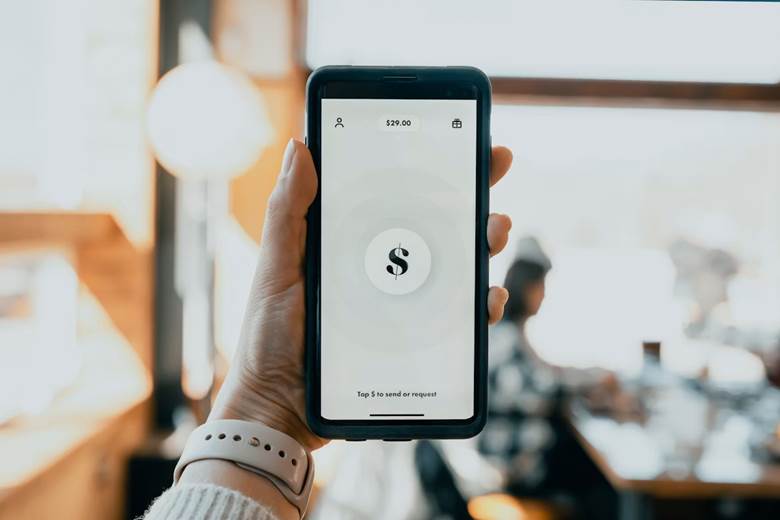
Image source: Unsplash.com
Many people ask: Can you be scammed on Cash App by receiving money? Yes, and this surprises people. Receiving an unsolicited transfer is typically step one of a scam, not a stroke of luck. It is harmless unless a refund request follows it. Beyond that, phishing links sometimes arrive dressed as Cash App payment notifications. So, is Cash App safe? That depends on you. For Mac users, macOS isn’t immune, so knowing Cash App scams is critical. It all hinges on understanding what threats are in the landscape and what their common patterns are. Remember, clicking on the wrong link can expose your device to malware that harvests your data.
What makes these attacks effective is how normal and boring they look. A payment notification with a follow-up text doesn’t seem alarming until it’s too late.
The Scams That Target People on the Move
There are four main Cash App scams that people can fall for.
The first is the “accidental transfer” setup. Someone sends you money you weren’t expecting and then tells you it is a mistake. By the time you comply, the original transfer gets reversed, and your real money is gone. This is honestly one of the oldest tricks that is still running.
The second would be the fake rental deposits. Travel listings on Craigslist and even third-party sites have been used to collect Cash App deposits for properties that aren’t actually available.
Then there’s the gig worker payment scam. Outdoor guides and local outfitters sometimes advertise on social media. However, not all of them are real. A “lock in your date” should immediately be flagged as a Cash App scam alert.
Lastly, there’s the fake customer support route. If you search for “Cash App support,” you’ll definitely run into some fake phone numbers and media accounts posing as the real thing. They will ask for your login, payment, or remote access to your phone.
I Got Scammed on Cash App, What to Do?
Image source: Magnific.com
If you’re asking: I got scammed on Cash App, what do I do? The answer is simple. Act fast, but manage your expectations. Report the transaction immediately inside the app, then file a complaint with the CFPB at consumerfinance.gov and with the FTC. If a debit card was involved, contact your bank, as card-funded transactions have more chargeback options than transfers from a Cash App balance.
Yet, the truth is that full recovery isn’t guaranteed. Prevention is the only reliable option.
Also Read: Must-see attractions on Route 66
How to Use Cash App Without Getting Scammed
There are a few steps that can prevent scams, some of which include:
- Only transact with people you know, as the platform isn’t built for commerce with strangers.
- Verify everything before paying, so if someone claims to be a business, find them through your own search.
- Turn on all notifications so anything suspicious gets caught.
- Never share your PIN or $Cashtag login details, not even with someone claiming to be support.
- Keep your phone clean, as malware can harvest payment data before you even notice something wrong.
The Takeaway
A weekend away should feel like time off from stress, not a window of opportunity for someone to empty your account. Cash App scams don’t require you to do anything obviously foolish. They’re engineered around normal, good-faith behavior, where you end up trying to help someone who made a mistake.
So, the few minutes it takes to learn the patterns is the only preparation that actually works long term.