


Taking your kids on their first international trip can feel equal parts exciting and overwhelming. New country, new routines, new logistics, and suddenly the questions start piling up. What do we really need? How much planning is too much? And how do we make sure everyone actually enjoys it?
The good news is that traveling abroad with kids doesn’t have to be complicated. With the right preparation and realistic expectations, it can be one of the most rewarding family experiences you’ll ever have. This simple checklist covers the essentials, so you can focus less on stress and more on the adventure ahead.
Before You Book: Choose the Right Kind of Trip
For a first international trip with kids, simpler is usually better. Shorter trips, around a week to ten days, tend to work well, especially if you’re crossing time zones. Try not to overpack your itinerary; one or two main activities per day is often plenty.
Look for destinations with easy transportation, family-friendly accommodations, and food options that won’t be a daily battle. A balance of familiar comforts and new experiences helps kids stay curious without feeling overwhelmed.
Documents and Entry Requirements
This is the least exciting part of planning, but it’s also the most important.
Make sure everyone in the family has a valid passport, and double-check expiration dates. Many countries require passports to be valid for at least six months beyond your return date. Entry rules can vary widely depending on where you’re going; requirements for popular family destinations like Costa Rica, Japan, or Ecuador may differ, so it’s worth checking official government guidance early.
Keep both digital and paper copies of important documents, including passports, travel insurance details, and accommodation confirmations. If only one parent or guardian is traveling with the children, some destinations may require a consent letter from the other parent, so it’s best to confirm this ahead of time.
Health and Safety Essentials
Travel insurance is especially important when traveling with kids. Look for coverage that includes medical care and trip disruptions.
Pack a small but thoughtful first-aid kit with basic medications, bandages, fever reducers, motion sickness remedies, and any prescriptions your child needs. It’s also a good idea to review official health guidance for your destination well in advance.
Simple safety habits make a big difference, set meeting points in crowded areas, make sure kids know who to ask for help, and keep emergency contact information easily accessible.

Flights and Airports: Plan for Less Stress
When possible, choose flight times that align with your child’s natural sleep schedule. Overnight flights can work well for some families, but not all know what works best for their kids.
Carry-on organization matters more than you think. Pack snacks, refillable water bottles, wipes, a change of clothes, and a small rotation of entertainment. Audiobooks, sticker books, and a few “surprise” items can help stretch attention spans during long flights or delays.
At the airport, build in extra time and plan for movement breaks. Kids handle waiting much better when they can burn off some energy.
Money and Logistics
Bring a mix of payment options, including cards and a small amount of local currency. Let your bank know you’re traveling to avoid declined transactions.
Rather than tracking every expense, think in simple budget categories: transportation, food, activities, and a buffer for unexpected costs. Having a general plan reduces stress without turning your trip into a math problem.
Research mobile data options ahead of time so you can access maps, directions, and translation tools when needed.
A Packing List That Makes Sense
Pack lighter than you think you need to. Choose clothing that can be layered and mixed, and plan to do laundry once, if possible. Comfortable shoes and weather-appropriate gear matter far more than extra outfits.
For younger kids, bring a few familiar comfort items, like a lightweight blanket, a favorite stuffed animal, or bedtime essentials, to help them settle in a new place.
Skip bulky “just in case” items that are easy to find once you arrive.
Arrival and the First 24 Hours
The first day is about adjusting, not sightseeing. Keep plans simple: eat, rest, and take one easy outing if energy allows. Jet lag affects kids differently depending on age, so follow their cues.
A quick stop at a grocery store or pharmacy can help you settle in and avoid unnecessary outings later. Lowering expectations for the first 24 hours often leads to a much smoother start.
Choose Experiences That Match Your Values
It’s tempting to book every tour and activity, but kids usually remember how a trip felt more than how much they did. Choose experiences that match their ages, interests, and energy levels.
If your family is drawn to nature-based or wildlife experiences, learning about responsible travel can be helpful. Parents planning trips to South America, for example, may find this overview of ecotourism in Ecuador useful for understanding how conservation, education, and family travel can work together.

A Simple Final-Week Checklist
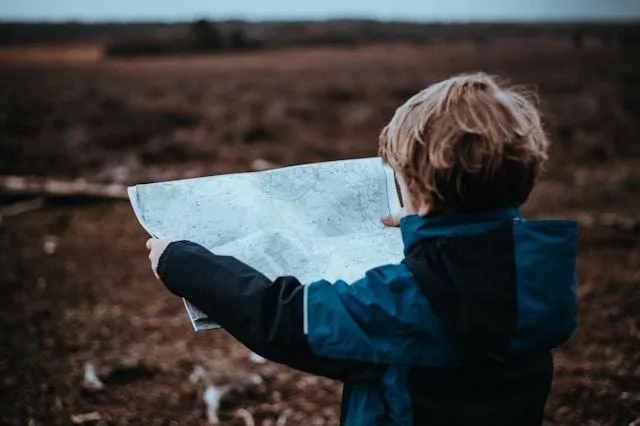
In the week before departure, confirm reservations, recheck documents, download offline maps and tickets, and set aside travel-day snacks and activities. Planning one easy meal for arrival night can also make a big difference after a long journey.


Confidence Beats Perfection
Your first international trip with kids doesn’t need to be perfect. It just needs to be prepared enough to handle the bumps along the way.
With a solid checklist, flexible planning, and a calm mindset, traveling abroad as a family can feel far less stressful and far more rewarding than you might expect.