

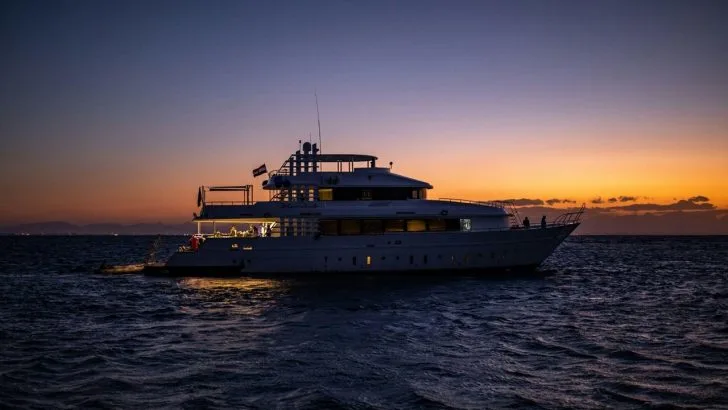
Planning a week on a liveaboard Thailand trip is fun until you try to fit real gear into real luggage. You are not packing for a hotel. You are packing for repeated dives, wet decks, salty wind, and cabin storage that is always smaller than you think. On a Thailand diving liveaboard, the days are simple and full: wake up, dive, eat, nap, dive again. The right packing approach makes the routine comfortable rather than messy.
Thailand is warm, but that doesn’t mean you never get cold. Water temps around the Similan and Surin area often sit in the high twenties, yet your core temperature still drops over a week of three to four dives a day. Add air-conditioned salons, evening breezes on the sun deck, and the occasional rain squall, and you will want a few smart layers rather than a giant pile of clothes.
2026 also brings more attention to marine park rules, especially regarding environmental care. That affects small things like sun protection, soaps, and how you handle gear on deck. Pack with respect, and you will have fewer awkward moments during crew briefings. Pack badly, and you will spend time buying extras, borrowing gear, or feeling uncomfortable for no reason. This guide keeps it practical while still covering the details that matter on Thailand liveaboards.
Scuba Gear Essentials For The Andaman Sea
Rental gear in Thailand can be perfectly usable, but fit is everything. A mask that leaks or fins that cramp will turn a dream trip into a grind by day three. If you bring your own core items, you reduce friction, and you dive more relaxed. For liveaboard diving in Thailand, comfort and reliability beat novelty every time.
Exposure protection is the first decision. A 3mm full suit is a better default than a shorty, even in warm water. It keeps you warmer on the third and fourth dives, protects you from minor scrapes, and reduces the risk of stings. If you run cold, add a thin hooded vest or a neutrally buoyant base layer. That gives warmth without adding a second wetsuit that stays damp and heavy.
A dive computer is a must. Many boats require one for safety, and it is the simplest way to stay conservative on multi-level profiles. Bring what you know how to use. Pack a spare battery or charging cable that matches your model, because a dead computer can mean sitting out dives.
Surface signaling is also not optional in busy areas. Boat traffic can be heavy near popular reefs, and visibility can shift with wind and chop. Pack an SMB you can deploy smoothly and a whistle that still works when wet. If you have never shot an SMB in mild current, practice beforehand. That skill is quiet confidence.
Keep spares realistic. You do not need a toolbox, but you do need the high-failure basics: a mask strap, a fin strap, spare O-rings, and a mouthpiece. Add a small tube of silicone grease and a few zip ties. Those tiny items save dives, and they weigh almost nothing.
What To Pack For Thailand Diving Liveaboard Routes In 2026
This checklist is deliberately compact. It covers the things you will actually touch on a Thai itinerary, not the stuff that looks impressive on social media. Keep it organized and you will spend less time rummaging through a damp bag while everyone else is already eating lunch.
Also, keep your important papers and cash in one consistent place. A small waterproof pouch is enough. Store digital copies of your passport, certification card, and insurance on your phone and in a cloud folder. It is a boring preparation, but it can save a whole day if something goes missing.
- Passport and Thai visa: Make sure your passport has at least 6 months of validity.
- Dive certification and insurance: bring digital and physical proof if you can, and confirm your policy covers scuba.
- 3mm full wetsuit: warmer over repetitive dives and better protection than a shorty.
- Dive computer with spare battery: essential for managing multi-level diving across a full week.
- Reef-safe sunscreen: choose a formula that avoids commonly restricted chemicals and relies more on physical coverage.
- Seasickness medication: useful on night crossings and for the run out to more exposed sites.
- Light hoodie or fleece: cabins can be cold, and deck evenings can feel breezy after a dive.
- Multi-plug power strip: outlets are limited, and everyone is charging something.
- Small dry bag (5 to 10 liters): keeps your phone and documents safe on tenders and shore viewpoints.
- Cash in Thai baht: helpful for park fees, small extras, and gratuities.
Topside Clothing And Personal Comfort
Boat life in Thailand is relaxed. You can keep your clothes simple because the focus is on diving, eating, and sleeping well. Most boats have a no-shoes policy indoors, so your footwear list is short. Flip-flops for docks and shore stops are usually enough, plus your dive boots for the deck.
Bring two or three swimsuits, not a suitcase of them. The goal is to always have a dry set to change into between dives. Add a couple of quick-dry shirts and one pair of light shorts that you do not mind getting salty. A thin long-sleeve rash guard is also a smart pick if you burn easily or you want to reduce how much lotion you need.
The post-dive chill is real. You come out of the water warm, then you sit in the shade, wet, with air-con blowing. A light hoodie fixes that fast. A soft beanie or a buff can also help on night dives without taking up space.
If this is your first liveaboard in Thailand, keep your cabin routine calm. Pack with soft cubes, keep a mesh bag for wet odds and ends, and hang items in one place so they dry. A tidy cabin makes the whole week feel easier.

Health And Hygiene In A Maritime Environment
Missing dives because you feel rough is painful, especially when you traveled far. The simplest health strategy is ear care, hydration, and a few basic supplies. Rinse your ears after each dive, dry them, and use swimmer’s ear drops if you are prone to infections. Saltwater trapped in the canal can turn into a problem fast.
Hydration matters more than most divers admit. Warm weather, sun, and repetitive diving can leave you drained. Many boats provide electrolyte drinks, but bring a few packets you actually like. Headaches and fatigue are common when you are under-hydrated, and they can make you skip the early dive.
Keep your personal first-aid kit small and useful. Think: bandages that stick, antiseptic wipes, blister plasters, painkillers you tolerate, and a basic antihistamine. The boat will have a more complete kit, but your own basics save time and keep small issues from getting worse.
If you bring soaps or shampoo, choose biodegradable options and use them sparingly. Crews on diving liveaboards in Thailand see the same reefs weekly. They care about the long game, and it is worth matching that attitude.
On land transfers, mosquito repellent is worth having. You may not need it much at sea, but you will be glad you packed it during an evening harbor check-in.
Electronics And Underwater Photography
Even if you are not a hardcore photographer, you will probably want some footage. Thailand has colorful macro life, big schools, and the occasional large animal surprise. If you bring a camera, focus on the weak points: spare batteries, extra memory cards, and O-rings that match your housing.
The Internet is often unreliable, especially on the northern routes. If you want backups, bring a small portable drive and copy files each evening. Download entertainment ahead of time, too. A tablet or e-reader is an easy way to pass surface intervals without adding weight.
Thailand uses 220-230V, and you may see different socket types depending on the boat. A universal adapter is still the safest choice. A multi-port USB charger replaces a pile of power bricks and keeps your charging area neat.
Keep camera handling realistic. The dive deck is busy, wet, and sometimes cramped. A compact rig with a secure lanyard is often smarter than something huge that is hard to move around safely. That is especially true on liveaboard boats in Thailand, where ladders and benches get crowded after a dive.
One small item that pays off: a microfiber cloth for salt spray. Wipe your mask lenses, phone screen, and camera housing so you don’t constantly fight smudges.
Fees, Transfers, And Small Budget Traps In 2026
Even if you are focused on packing, a few money details affect what you bring. Many itineraries collect national park fees in cash on board, and some transfers have separate costs if they are not included in your package. Bring enough Thai baht to cover fees, plus a small buffer for tips and personal extras.
Sun protection can also turn into a trap if you arrive with a sunscreen that you cannot use in certain protected areas. The simplest approach is to treat physical coverage as your baseline: rash guard, hat, shade, and timed exposure. Then use a reef-friendly sunscreen as a backup.
When you book liveaboard dive trips in Thailand, ask for a clear breakdown of what is included: park fees, nitrox, transfers, and rental items. The cheapest headline price is not always the cheapest final cost. A transparent quote saves money and helps you pack more intelligently.
Conclusion
A packing list sounds simple until you live it. Warm water can still chill you after multiple dives, strong sun can still drain you, and small gear failures can still steal a day if you are not prepared. The point is not to bring everything. The point is to bring the right things.
Keep your dive kit reliable: a comfortable mask, a conservative computer setup, and an SMB you know how to deploy. Keep your clothing light and quick-dry. Protect your ears, stay hydrated, and keep a small first-aid kit handy to handle minor problems quickly.
Once those basics are handled, the trip gets easier. You sleep better, you recover better, and you enjoy the rhythm of the boat. That rhythm is why people love Thailand: dive, eat, rest, repeat, with sunsets that feel unreal and reefs that look like they are lit from within.
Pack with intention, and you will spend your time looking outward instead of constantly managing your bag. Then, when you are home, sorting salty clothes in your laundry basket, you will catch yourself browsing liveaboard diving routes in Thailand again. End the trip the same way you started it: calm, prepared, and ready for another week on a Thailand diving liveaboard.