

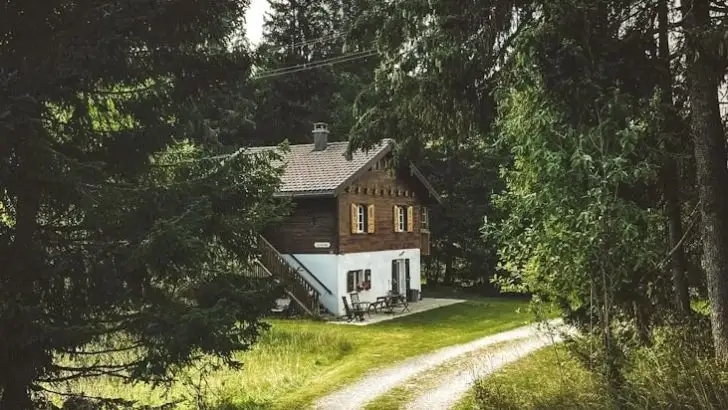
Buying a getaway home is exciting, but smart planning makes it far more rewarding. Start by deciding what you want your second place to do for you: quick weekend escape, seasonal base, or multi-generational hub. Then map your budget, travel time, and the kind of upkeep you can realistically handle. A clear plan keeps emotion from steering you into costly surprises.
Location and Lifestyle Fit
Choose a place that matches how you relax. If you love mornings on the water, a lake or bay community beats a mountain drive every time. A recent article in The Week noted that location is the one thing you cannot change, and it shapes safety, school quality for future resale, proximity to friends and family, and long-term value. Think about noise patterns at night, seasonal crowds, and how the vibe feels in the off-season, not just on sunny weekends.
Total Cost of Ownership
Financing and taxes are only part of the bill, so map the full picture before you fall in love with a view. Budget for HOA dues, utilities, furnishings, travel, seasonal maintenance, and reserves for big items like roofs or septic systems. Work with local pros, like the best realtors Fairfax VA, to price insurance early, compare deductibles, and check flood, fire, or wind exposure. Ask your lender about second-home requirements, verify transfer taxes, and estimate closing costs that might be higher than your primary residence. Finally, stress test the numbers with a higher interest rate or premium so the place stays fun even when costs climb.
Rules, Rentals, and Neighbors
If you plan to offset costs with short-term rentals or occasional longer stays, confirm rules before you bid. Policies can differ street by street, and they change.
- HOA and condo bylaws on rentals and pets
- City or county permits and occupancy caps
- Noise and parking ordinances that affect guest stays
- Minimum lease length rules that limit short-term rentals
- Transfer fees or special assessments that add to closing costs
Even if you never rent, community fit matters. Drive by at different hours, talk to neighbors, and visit in the off-season. A quiet cul-de-sac in May might be a lively party block in August.
Also Read: Best Route 66 Stops in New Mexico
Property Condition and Access

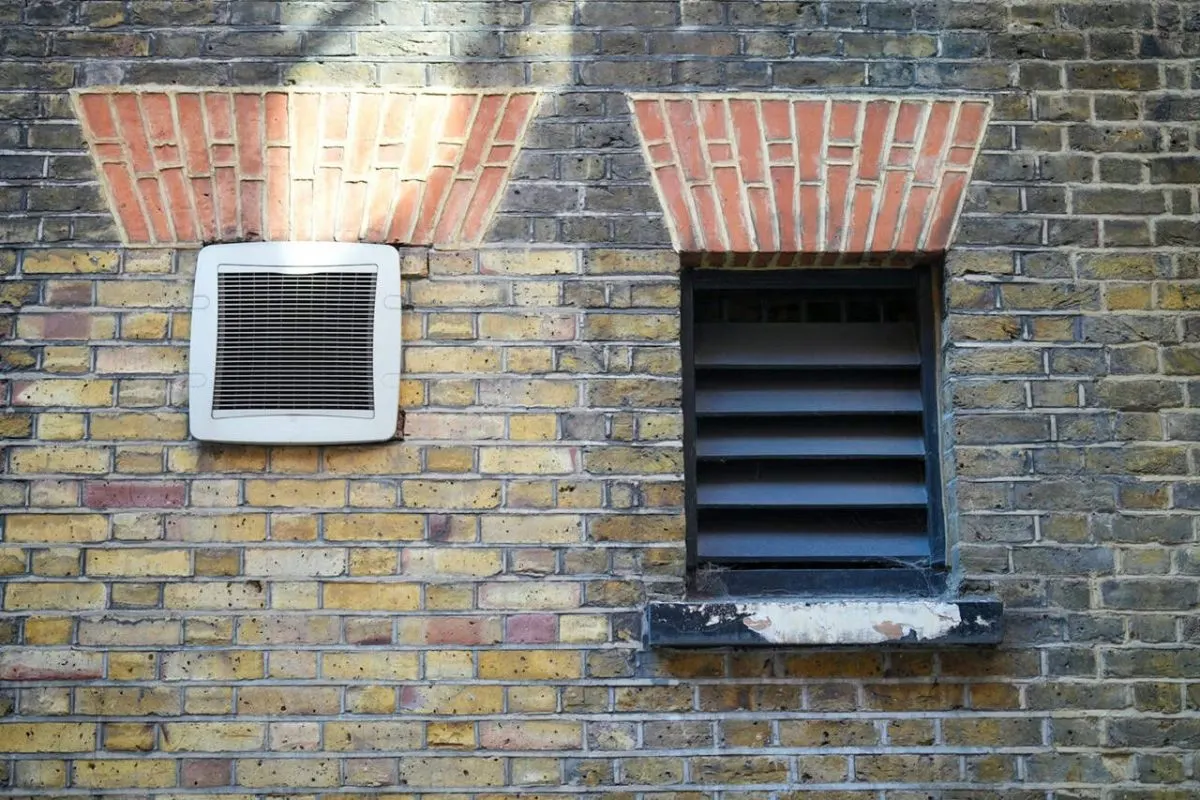
Layout and size should match how you will actually use the home. A compact cottage with a big deck may beat a larger footprint if your time is mostly outdoors. Look for durable features that cut upkeep – metal roofing, composite decking, impact windows, and easy-to-clean flooring. Ask about the age of major systems like HVAC, septic, well, and water heater, and confirm service records.
Test the basics you will rely on when you are away – smart locks, security cameras, leak sensors, and a thermostat you can control from your phone. Check internet speed and cell coverage since many getaway homes sit in patchy zones. Think about access in all seasons: winter storms, ferry delays, tide charts, or mountain passes can turn a 2-hour trip into an all-day haul.
Buying a getaway home should make life richer, not heavier. Keep your choices anchored in how you actually travel, play, and host. When you balance location, true costs, community rules, and practical upkeep, you end up with a place that stays delightful year after year.